A product engineering studio in Kathmandu.
We design, build and ship software end to end: web platforms, mobile apps, APIs, cloud and the payment rails that connect them. Small senior team, no hand-offs between design, backend and release. We publish our work so you can judge it before you hire us.
Services
Web platforms
Product and marketplace front ends, dashboards, admin tools. React, Next.js, Vue, server-rendered where it matters, with the API behind it.
Mobile apps
Flutter and React Native from the first screen to store release: offline-first data, payments, push, deep links, KYC flows.
APIs and backend
NestJS, Node, Python, PostgreSQL, Redis, queues and background jobs. Designed to be operated, not just deployed.
Cloud and delivery
AWS and GCP, Docker, Kubernetes, CI/CD, observability, cost control and runbooks for the on-call shift.
Payments and integrations
eSewa, Khalti, Stripe, Razorpay, SMS/OTP, KYC providers, ERP and CRM integrations with server-to-server verification.
AI features
Retrieval over your own documents, extraction, drafting and evaluation harnesses, with an honest fallback when the model is unavailable.
Languages and frameworks
Pulse, InvoiceFlow, Deskly, Slotwise, Leadpipe, …
Ledgerbox
Findr
Gatekeeper
Northwind API
Tally
RAGForge
GharKo Sathi App
Compose Cookbook, K8s Blueprint, CI Templates
AWS Baseline
Client work
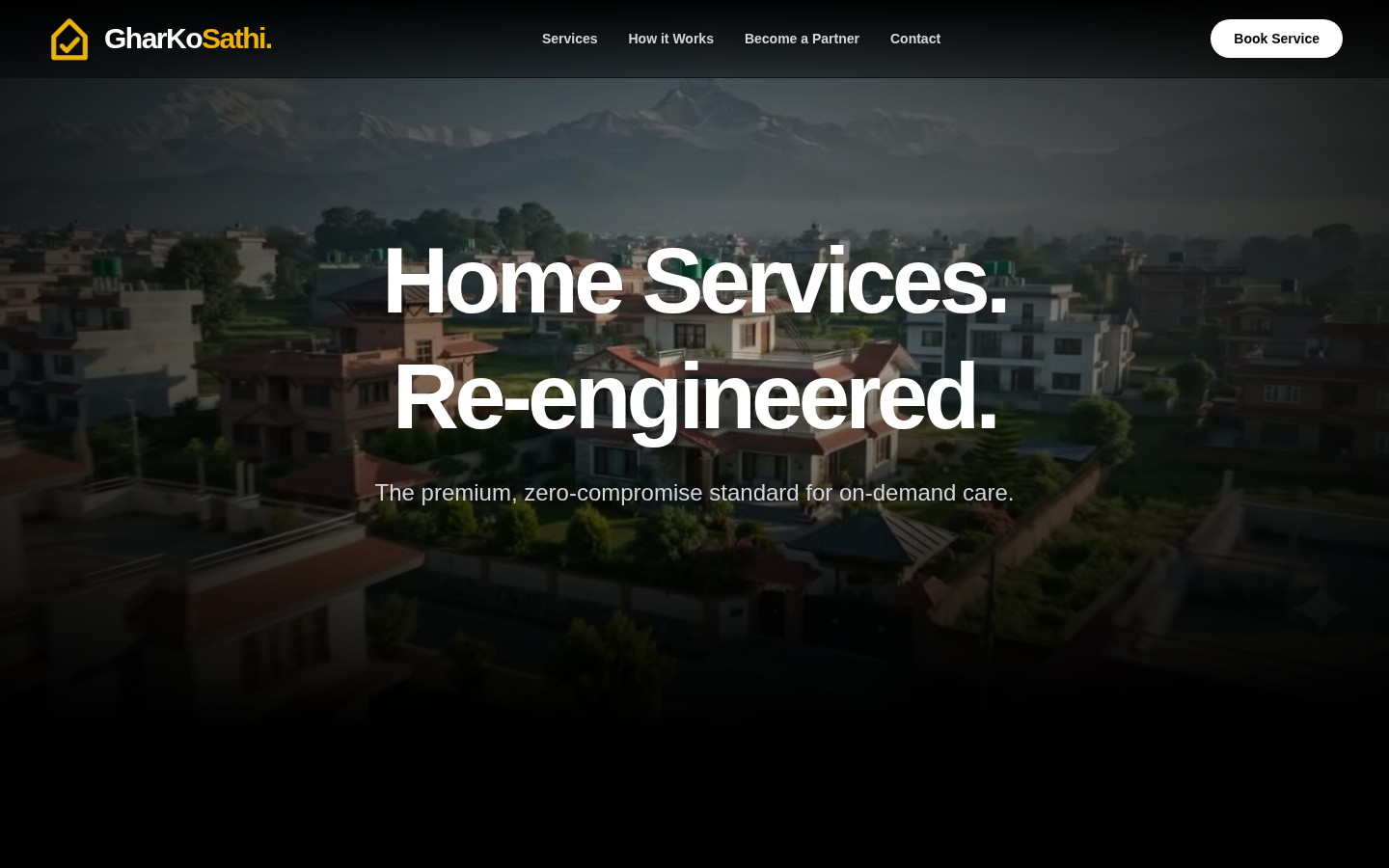
GharKo Sathi
KYC-verified home services with escrow payments and dispute resolution. Customer app, partner app and admin, live on iOS and Android.
Read the case study →
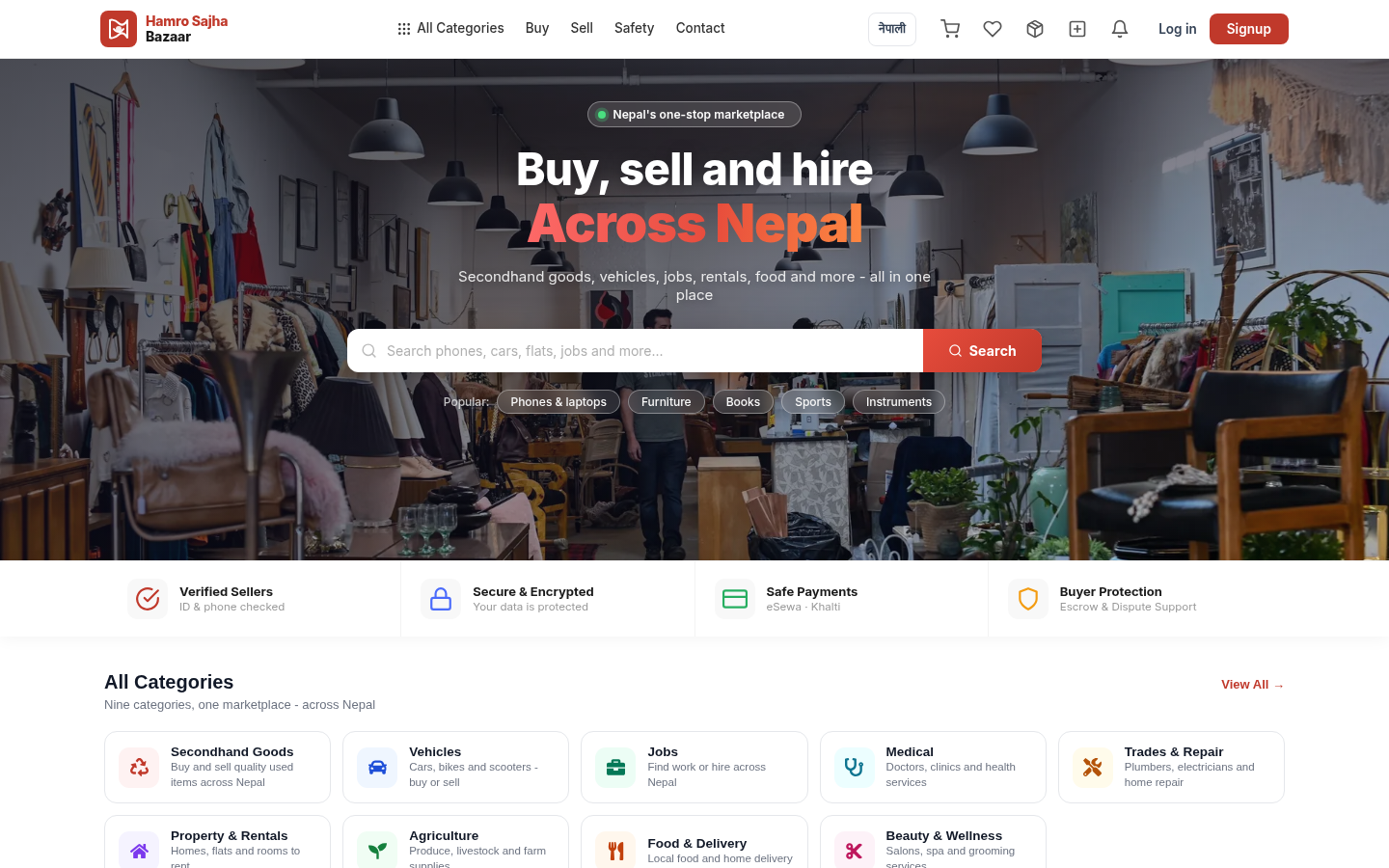
Hamro Sajha Bazaar
Nine-category national marketplace with seller verification, escrow and buyer protection, bilingual UI and eSewa/Khalti checkout.
Read the case study →How we work under the hood
Every repository in Labs is a working product sample with tests, CI and an honest README. It is the fastest way to see how we structure code before you commission any.
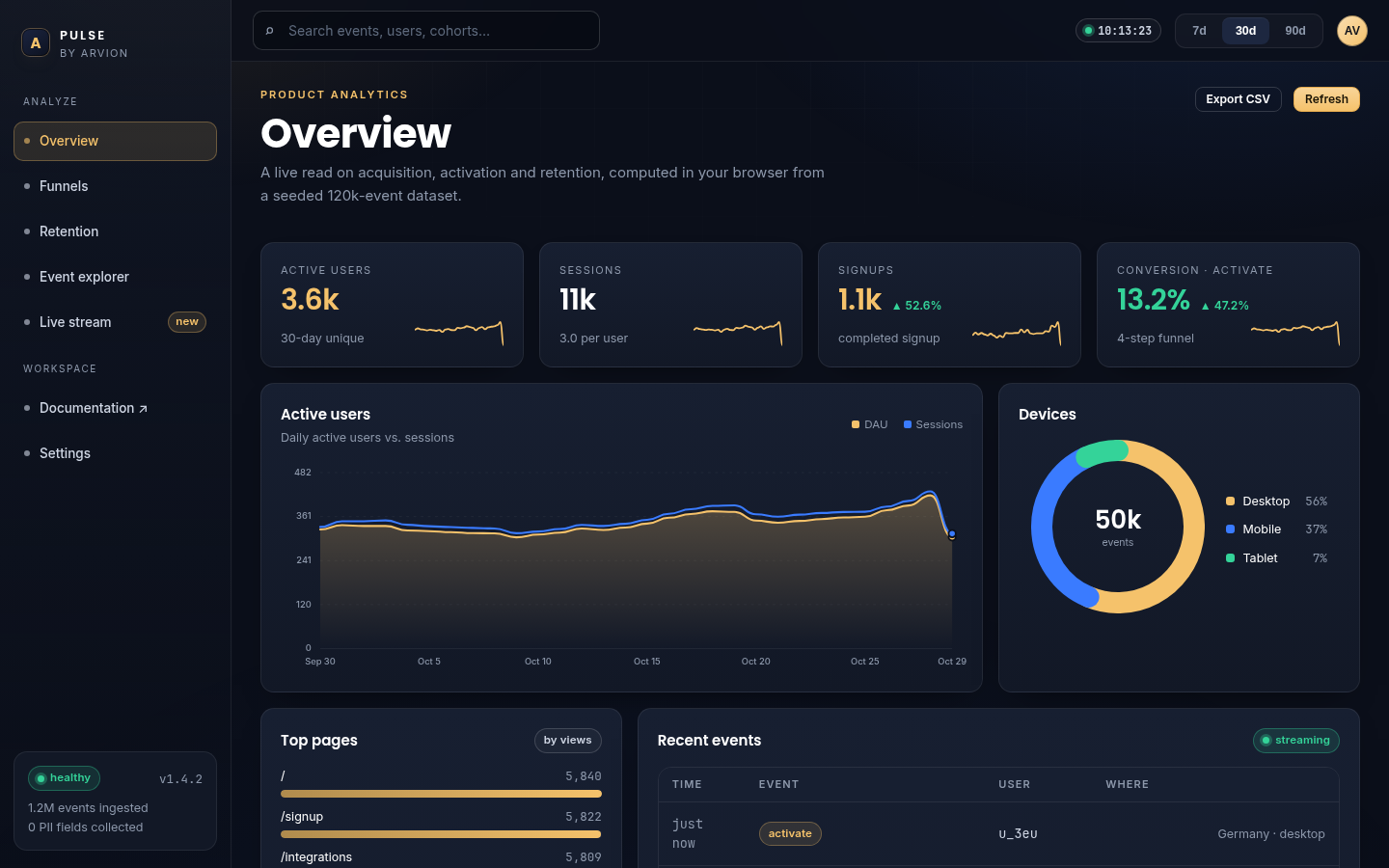 PulseSelf-hosted product analytics with funnels, retention and cohorts
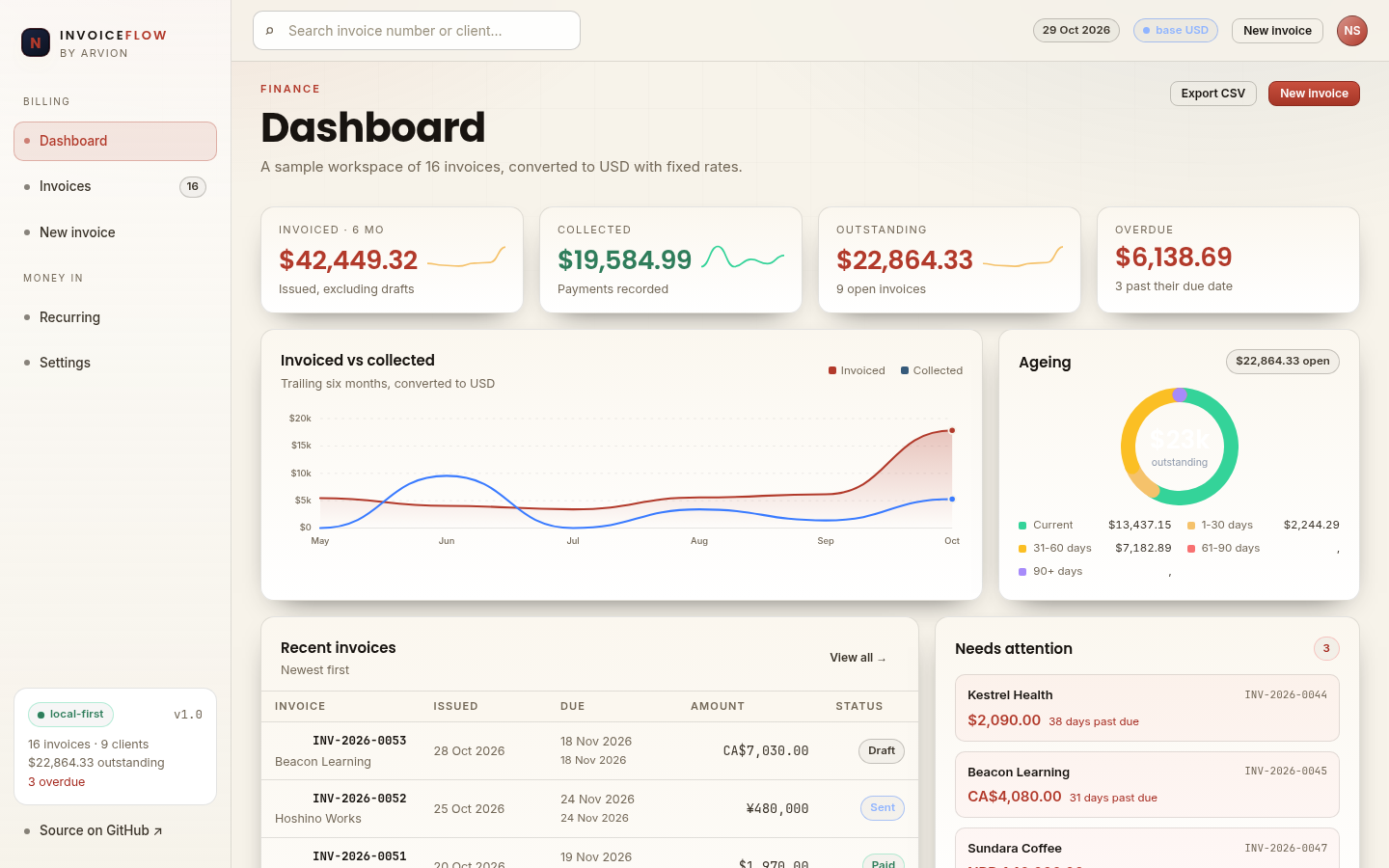 InvoiceFlowInvoicing and billing for agencies and freelancers
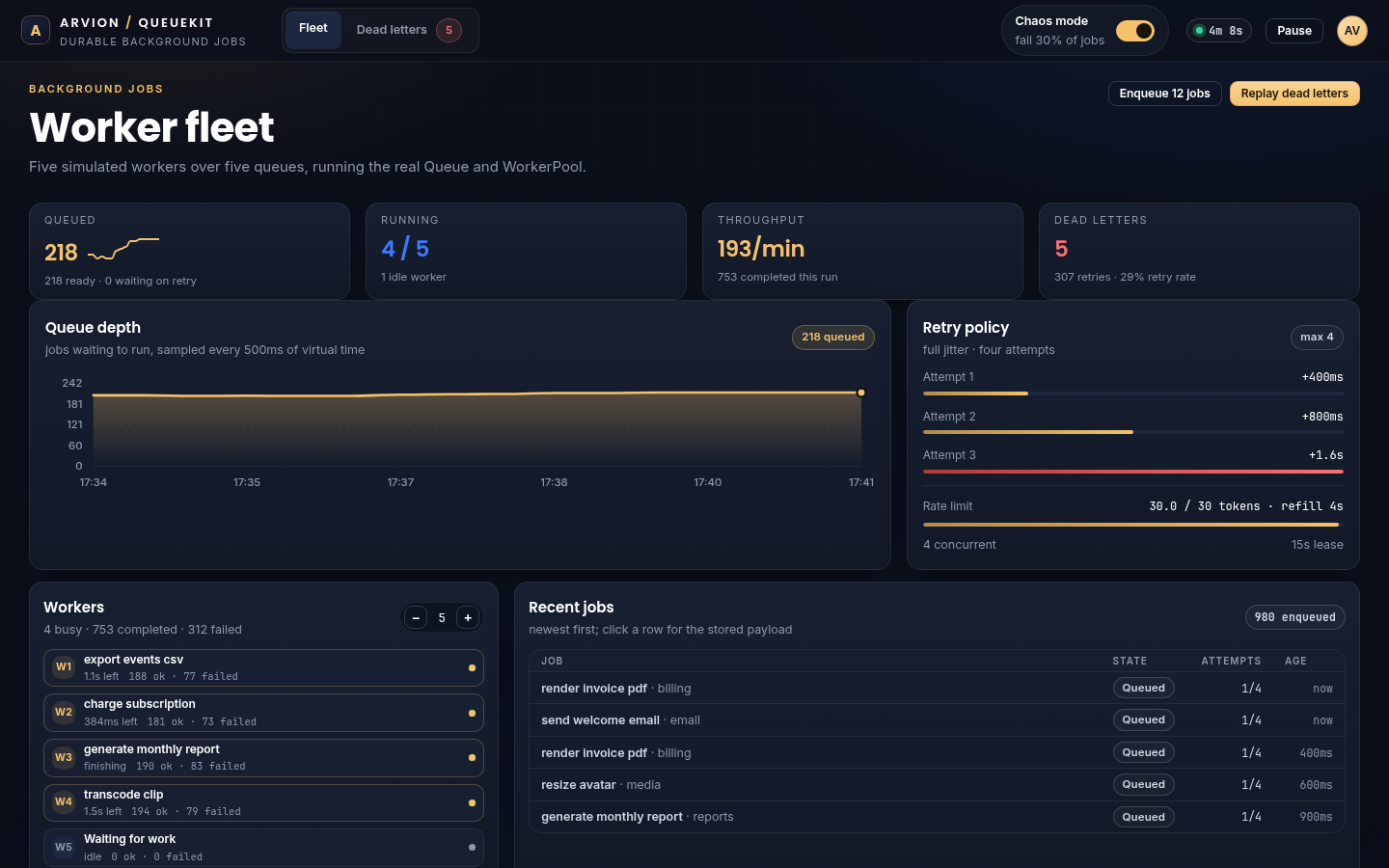 QueueKitDurable background jobs with retries, backoff and a dashboard
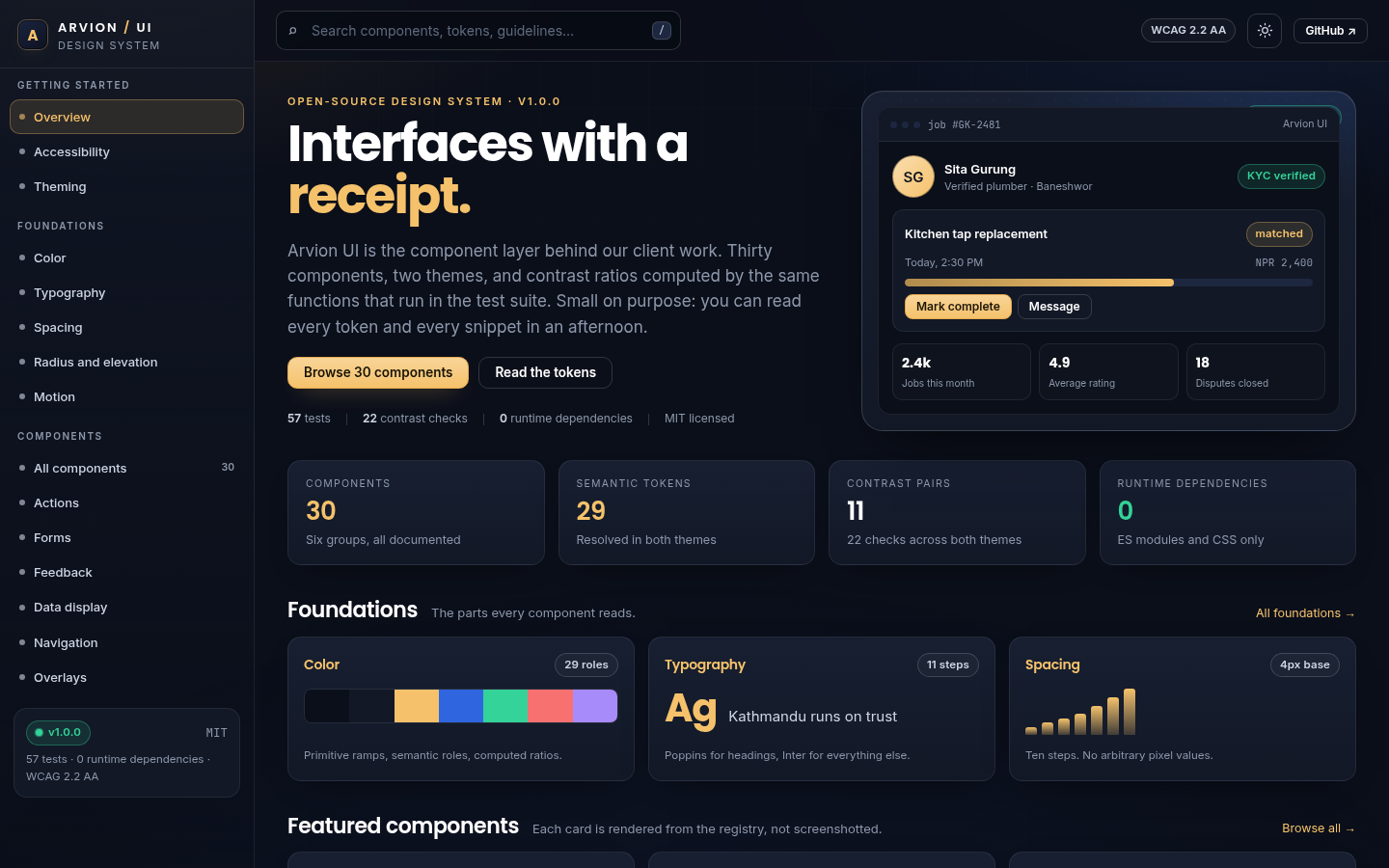 Arvion UIA design system with tokens, 30 components and live docs
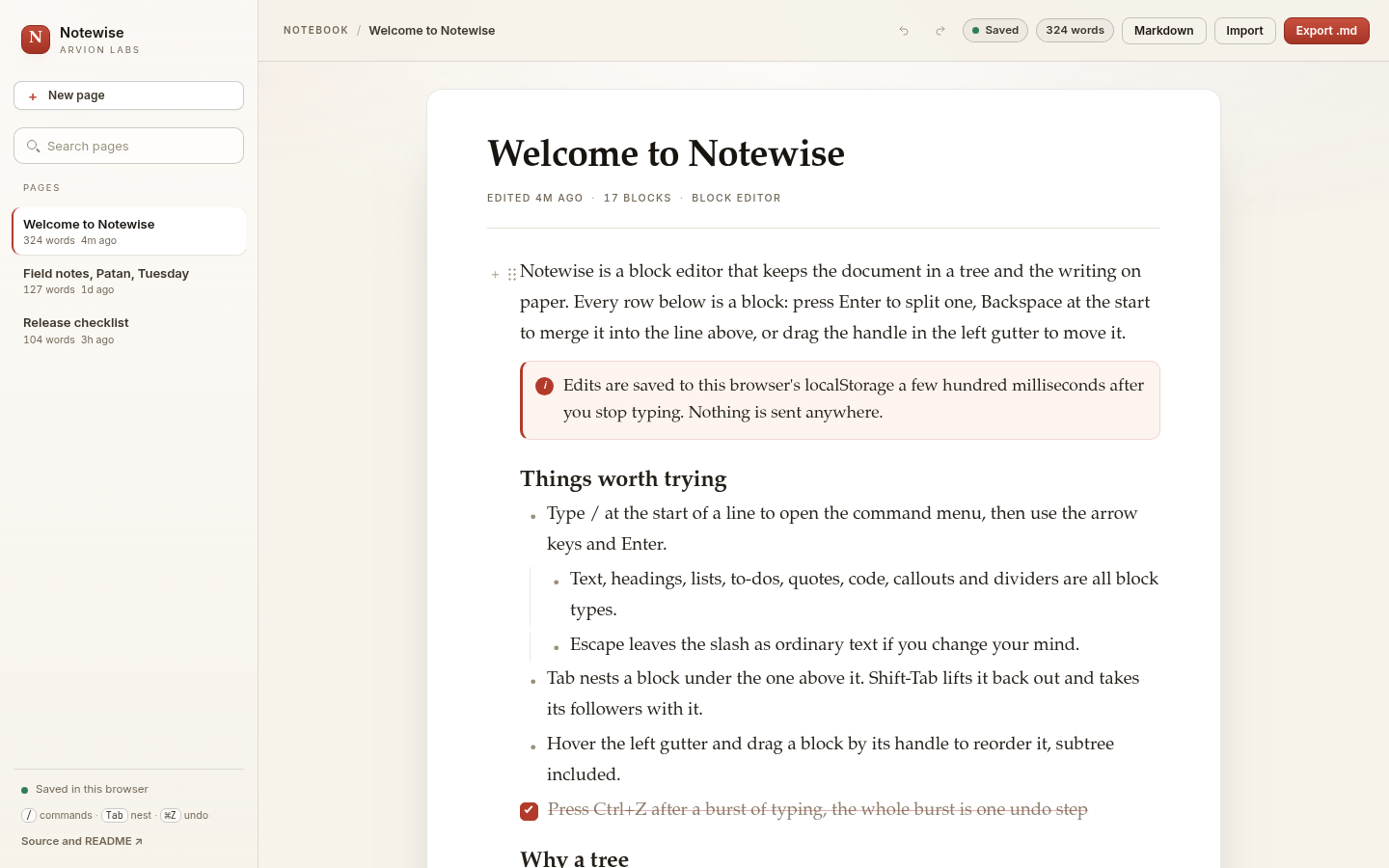 NotewiseA block editor with slash commands and Markdown interop
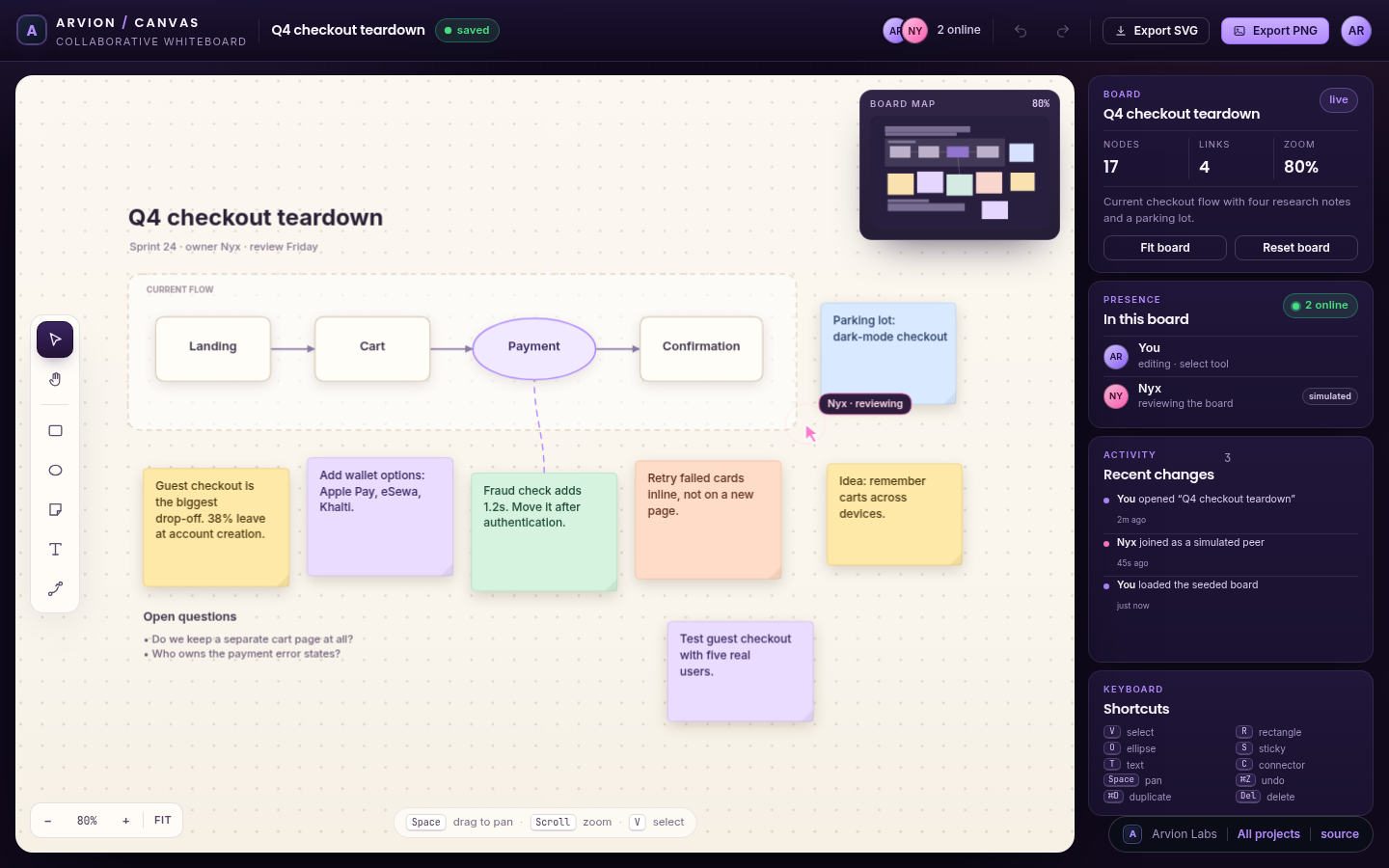 CanvasInfinite collaborative whiteboard with live cursors
How an engagement runs
Discovery
Two weeks, fixed price. We map the business flow, the data, the integrations and the risk before writing production code.
Architecture
A written architecture note you keep: system diagram, data model, failure modes, deployment and the decisions we expect to revisit.
Build in slices
Working software every week, behind a demo link. You can use it, and change your mind, before the scope hardens.
Harden
Tests, CI, security review, load checks, error handling, backups and the runbook. This is the part clients underestimate.
Launch and operate
Store release or deployment, monitoring, a handover session and a maintenance window if you want us to stay on.
Three ways to work with us
Fixed-scope project
You have a defined product and a deadline. We scope it, commit to a price and ship it. Best for new products and well-understood rebuilds.
from 6 weeksTeam extension
You have a product team and need senior engineers who can own a surface end to end. Monthly, with a clear scope and weekly demo.
monthlyRescue and audit
The product shipped but cannot be operated: failing releases, security findings, no tests. We audit, stabilise and hand back a runbook.
2-6 weeksFAQ
How long does a project take?
A focused product is typically 6-12 weeks of build after a two-week discovery. We will not promise a date before discovery, and we would rather tell you that than miss one quietly.
How do you price work?
Discovery is fixed price. The build is quoted from the architecture note, either fixed scope or a monthly team allocation. Every line item is visible; there are no surprise change orders for things we should have seen in discovery.
Who owns the code and the IP?
You do, on final payment, including the repositories and the deployment accounts. We keep the right to reuse generic patterns and libraries, and to describe the project only with your permission.
Can you work with our existing team?
Yes. Team extension is a normal model for us: we take ownership of a surface (web, mobile, backend, payments) and work inside your sprint process with a weekly demo.
What about payments and regulatory requirements in Nepal?
We integrate eSewa, Khalti, Stripe and Razorpay with server-to-server verification, and we have built OTP and KYC flows. Merchant accounts, licences and compliance decisions stay with you; we make the code support them.
How do you hand over?
Repository access, an architecture note, a runbook, the infrastructure as code, and a recorded walkthrough. If you want, we also stay on a maintenance window with agreed response times.
What do you not do?
We do not resell licences, build gambling or adult products, or claim AI capabilities we cannot evaluate. If a project is a bad fit we will say so in the first call.
How do we start?
Email hello@arviontech.net with what you are building and any deadline. We will propose a 30-minute call, then a written discovery proposal with scope, price and timeline.
Tell us what you are building.
We reply to every message, usually within one business day. If it is not a fit, we will say so and point you somewhere better.
Arvion Technologies Pvt. Ltd.
Ward No. 32, Tinkune
Kathmandu Metropolitan City
Kathmandu, Nepal
PAN 6236009191
arviontech.net
hello@arviontech.net